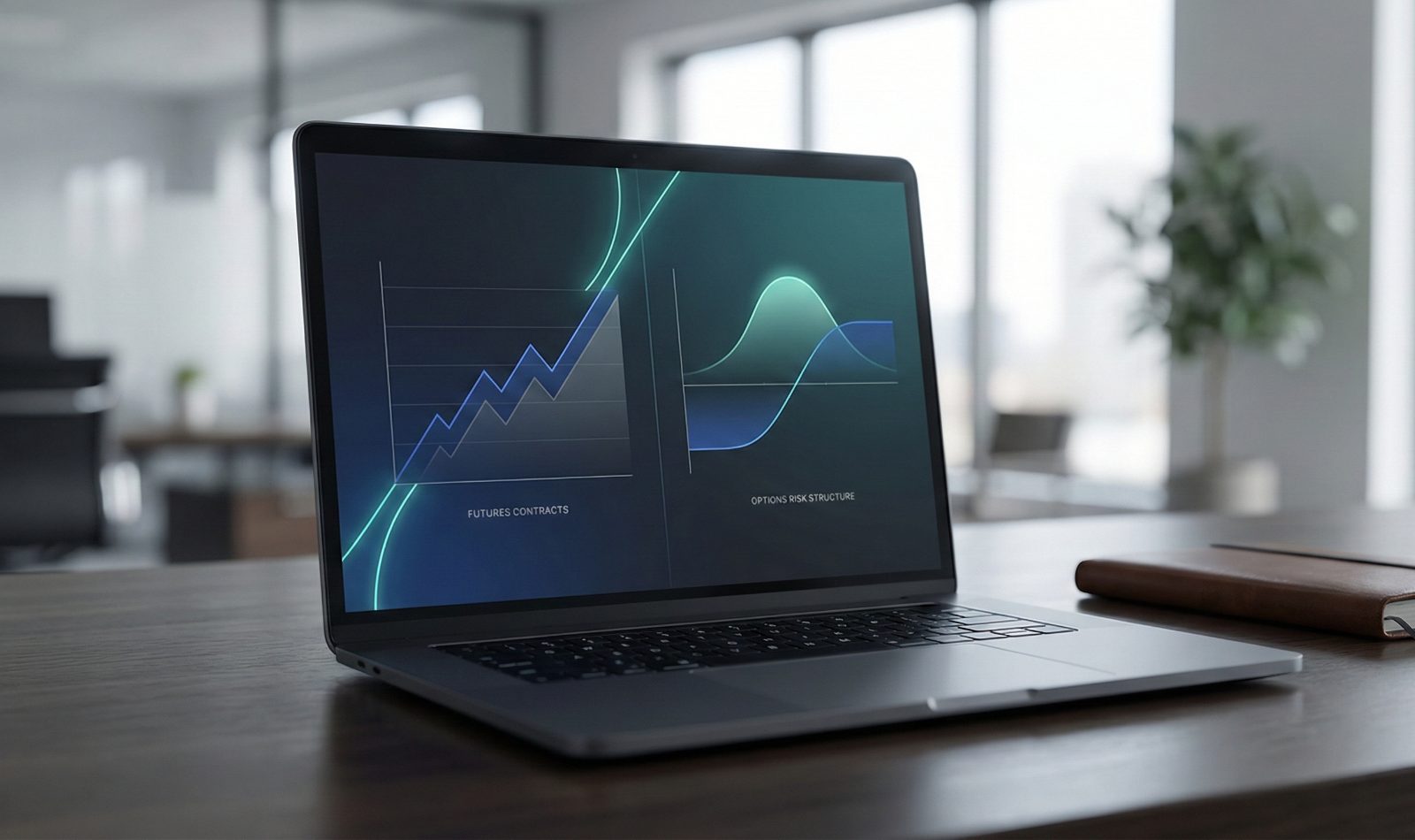
Foreword In the sophisticated arena of cryptocurrency trading, it is futures and options that are the two most utilized derivative instruments for the purposes of speculation and hedging against price fluctuations. Although they both permit traders to benefit from anticipating price action, the inner workings, risk associated, and obligations of futures and options are different in nature. Understanding these significant differences is important for traders in India who are looking to develop and improve their positions. This guide will serve as an in-depth and comparative analysis of futures versus options, allowing you as the reader to consider which type of derivative is right for your risk profile, capital requirements and trading style and objectives. Both futures and options are contracts whose value is related to the price of an underlying asset, but they differ in the extent of obligation they present to the trader. This difference allows for diverse trading techniques ranging from aggressive speculation to cautious hedging. A futures contract is a formal agreement to buy or sell a particular asset (such as Bitcoin) at a predetermined price (the delivery price) at a set future date. Obligation is paramount: the key point of a futures contract is the obligation created by the contract. The holder must perform the transaction—the buyer must buy, and the seller must sell—regardless of the spot market price at expiration. Margin is required: opening a position on futures requires an initial margin deposit, typically a small fraction of the value of the contract. Risk/reward profile: futures contracts can have unlimited upside profit potential, as well as unlimited downside loss potential. The leverage embedded in futures contracts magnifies both the potential profit or loss. If the market moves against the trader, then the trader may receive a margin call due to margin requirements. Primary use: Futures contracts are typically used for speculation on market direction and for large-scale hedging against market volatility. In an options contract, the owner has the right, but not the duty, to buy or sell an asset at a strike price by a specific expiration date. Flexibility is Important: The key point is flexibility, since the owner does not have to act on the contract if it is unprofitable; they can simply let it expire worthless. Premium Cost: To obtain this right, the buyer must pay a non-refundable upfront cost (the premium). The premium, a cost to the buyer, is revenue for the seller. Risk/Reward Profile: For the buyer, risk is defined (limited) to premium paid. The buyer cannot lose the premium. While profits can be generous, sometimes options pricing and time decay limits the return, compared to futures. Primary Use: Options are used to perform more sophisticated strategies (such as spreads and straddles), and are a great risk management tool because limited loss allows for a clear understanding of downside risk. Ultimately, the decision of which of the two derivatives to use depends on the trade-off of commitment, cost, and maximum loss. The instrument you decide to trade will totally revolve around your stated risk tolerance, capital capacity, and market outlook. High-Risk Tolerant: You are willing to face the risk of significant and potentially unlimited losses in exchange for possible larger leveraged gains. Confident in The Direction: You have a strong, clear opinion of where you think the price of the asset will go, and you have a short time frame. Experienced with Margin Calls: You understand how margin calls work and have sufficient capital to meet initial and maintenance margin calls. Risk-Averse: Your preference is to limit your downside risk, In fact, you consider the premium as the 'price of insurance' against the adverse price movement. Want Exposure and Flexibility: Your intention is to profit from whatever environment you find (sideways, volatile, or directional), using one or more structured strategies (ex., spreads) Hedging: You own the underlying cryptocurrency and want to protect its value without having to sell the position (ex., purchase a Put Option) Willing to Learn: You are willing to put in the work to learn the complexities of all the Greeks and option strategies. Final Point Both futures and options are potent financial instruments, however they are fundamentally different levels of commitment. The most important point is this - Futures offer greater leverage with unlimited risk/reward because of the obligation to the contract, while Options have a defined, limited risk (the premium) as a result of the flexibility of the right. Prior to committing capital in the markets, Indian traders should carefully assess their own risk tolerance and strategic objectives. If you prefer a controlled, limited downside, then options may fit your strategic objective; if you will accept unlimited risk and prefer to exercise maximum potential leverage, futures may be a better fit.Futures vs. Options: Choosing the Right Crypto Derivative
Understanding Futures Contracts
Understanding Options Contracts
Direct Comparison: Futures vs. Options
Which Derivative Suits Your Trading Style?
Choose Futures If You Are:
Choose Options If You Are:
General
7 min read
Futures vs. Options: Choosing the Right Crypto Derivative
In the sophisticated arena of cryptocurrency trading, it is futures and options that are the two most utilized derivative instruments for the purposes of speculation and hedging against price fluctuations.